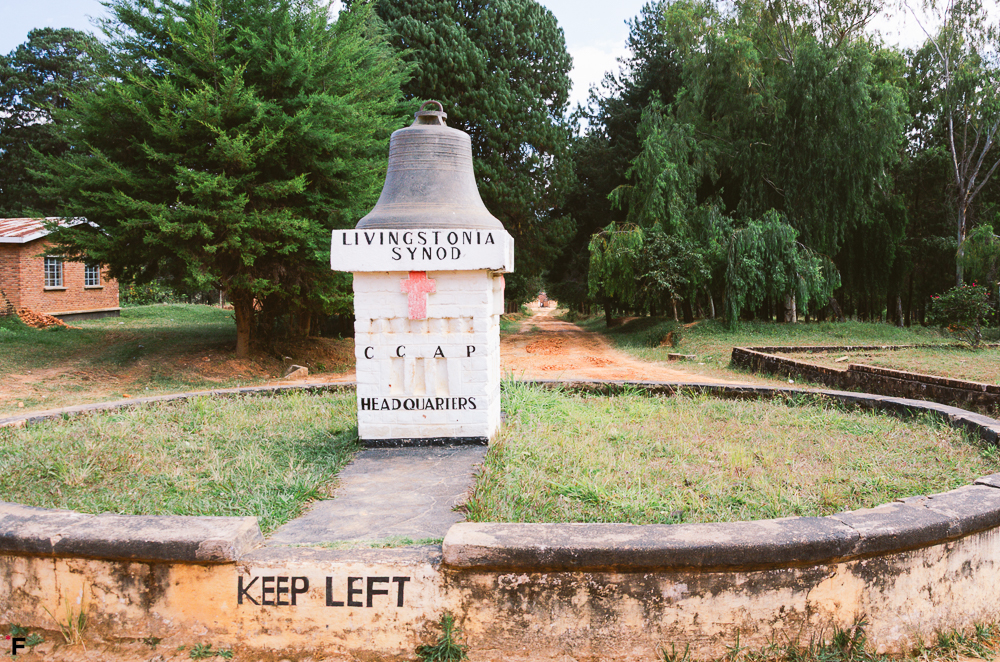
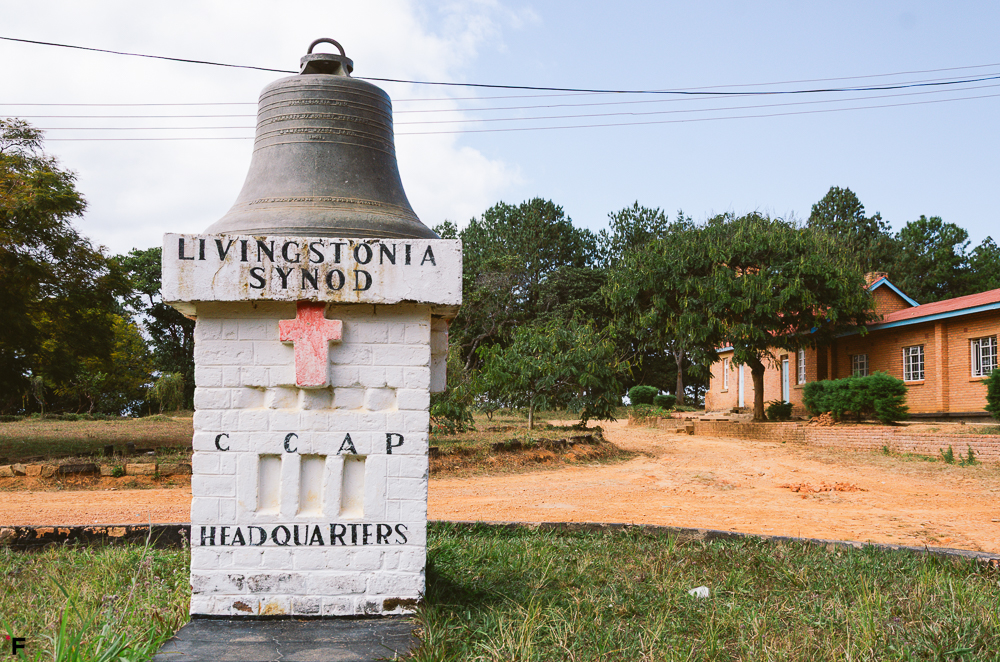
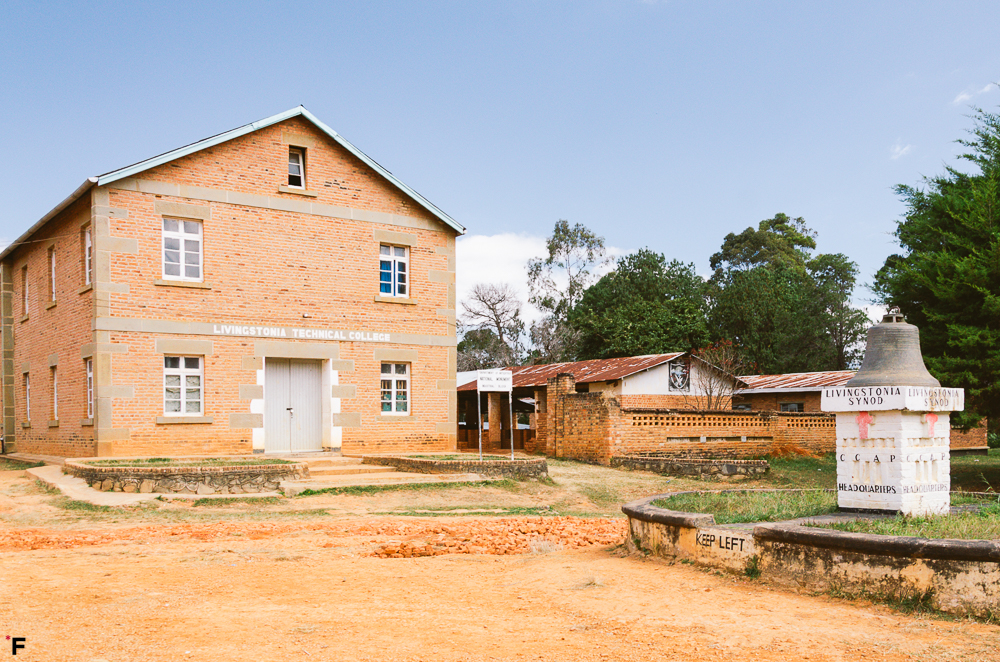
Legend has it that the church bell standing in the middle of a traffic circle outside the Livingstonia Mission had a rather interesting journey to reach the place. Having been ordered from the UK after the mission was founded in 1875 (more on this later), the bell was loaded onto a ship and made the lengthy trip to the Cape, where it was manhandled onto a wagon and driven, over many weeks, to the base of the mountain in Malawi. From there it was carried / transported / dragged (details on this are a bit sketchy), to the mission station, arriving with great fanfare for the reveal. Unfortunately, during the uncrating exercise, the bell was dropped, resulting in a large crack that rendered it rather useless for its intended purpose. Everyone went home in a huff and the bell remained where it had fallen. It still stands as a welcome sign, apparently in the spot where it fell. It has at least been placed on a support.
The Mission itself also had a rather checkered journey, having first been approved by the Free Church of Scotland in 1874 and named after the explorer and super-missionary, David Livingstone. Built initially at Cape McLear on Lake Malawi, the missionaries were soon ravaged by malaria and rapidly filled the cemetery before a new site was chosen, at Bandawe in 1881. By 1894, Robert Laws, the mission head, grew rather tired of the mosquitos and burying his mates so the whole place packed up again and moved to the Nyika Plateau. The extra altitude of 1350 – 1500m significantly reduced malaria but brought a whole other set of fun and games to the party, especially given the tedious journey to reach the place. Even now, it takes a high clearance 4×4 around 3 hours to reach the mission station or hospital, utilizing a track with seemingly endless switchbacks. Having driven a lady in the late throws of labour to the hospital, I can personally vouch that the journey is a little adventurous.
The mission opposed the East African slave trade around Lake Malawi. It documented raids, pressured colonial administrators, and provided refuge to freed captives. They were one of the key voices advancing anti-slavery advocacy in the region.A hospital was established and still operates today, although any major medical emergencies are sent to Mzuzu.
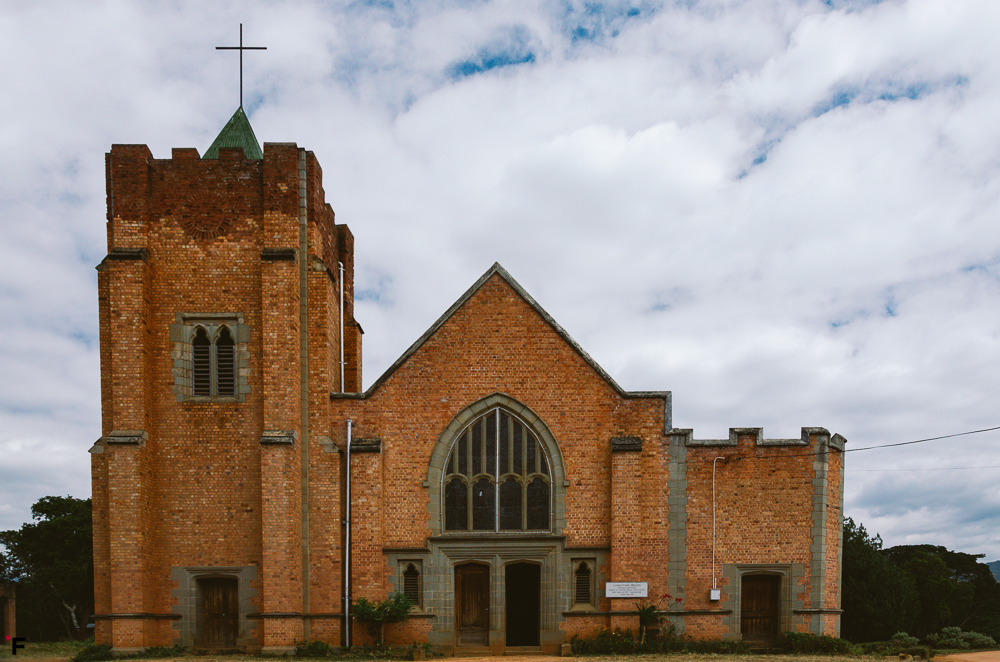
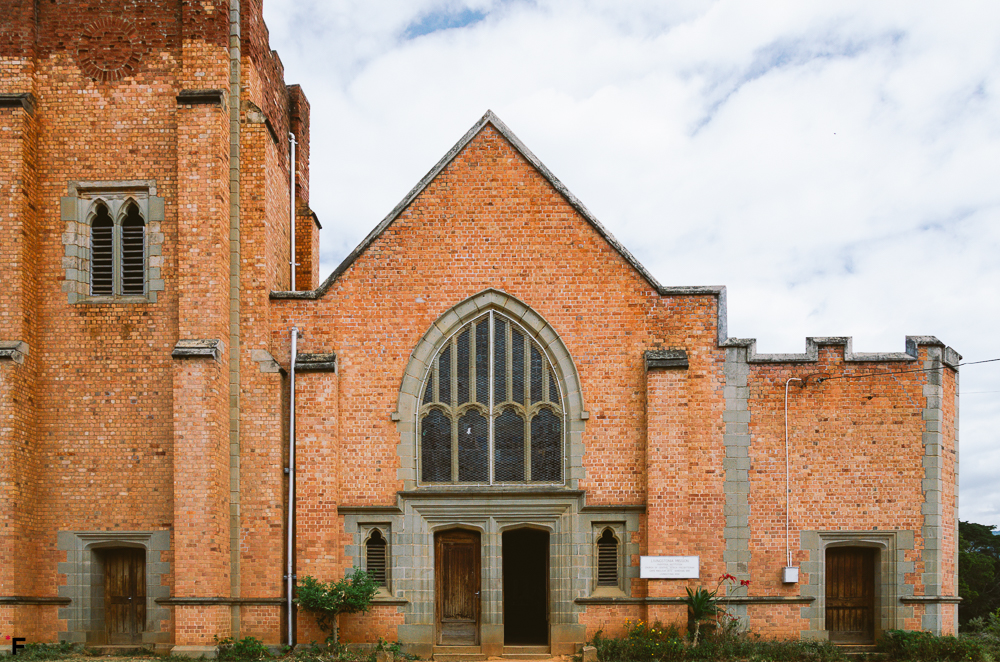
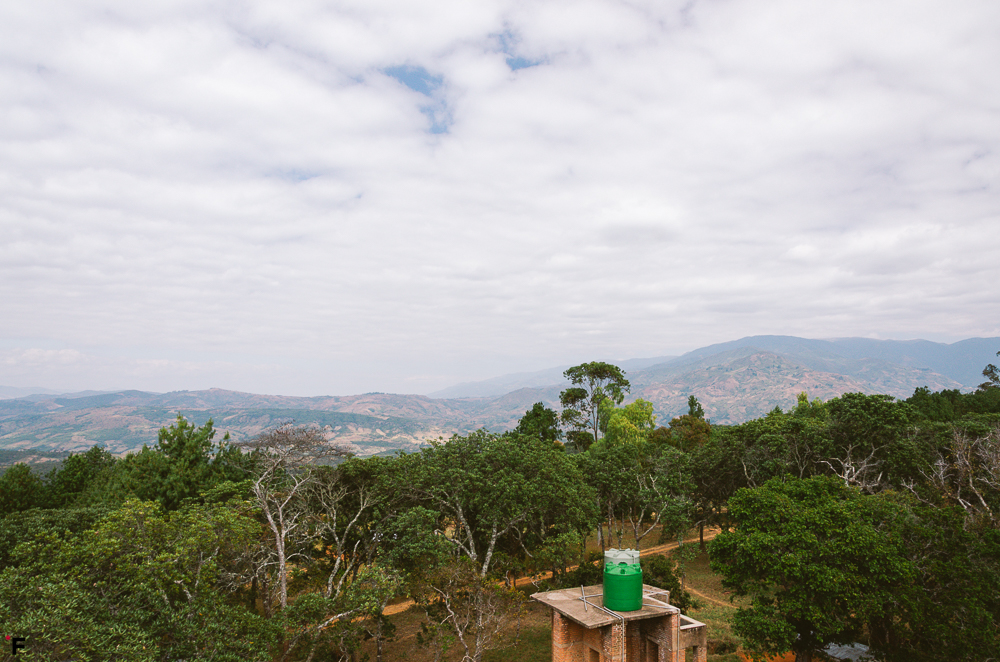
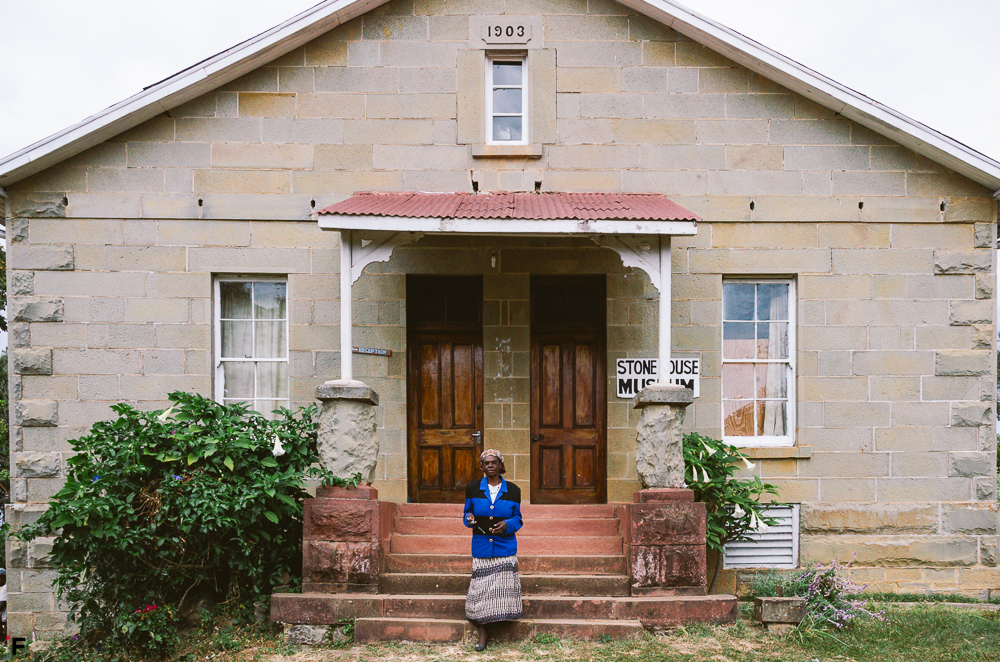
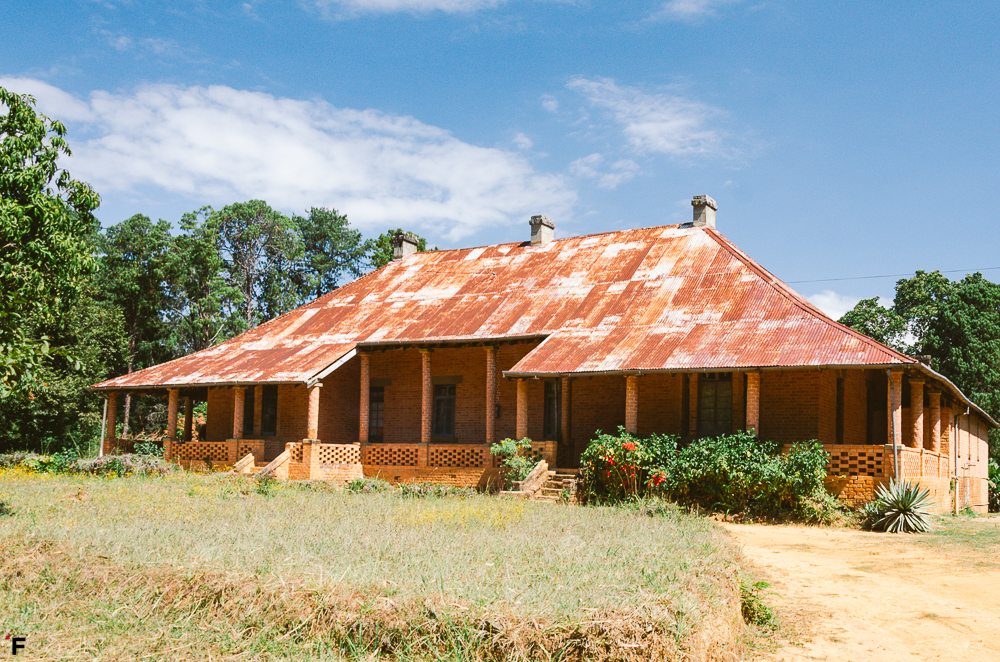
The town still retains much of its late nineteenth-century character, with landmarks such as Stone House – Dr Laws’ former residence – and the impressive Livingstonia Mission Church standing as reminders of its past. Its dramatic position provides breathtaking views across Lake Malawi.
The area is also home to Manchewe Falls, Malawi’s highest waterfall and a couple of rather good accommodation options.
Rumour has it that they never ordered another bell.