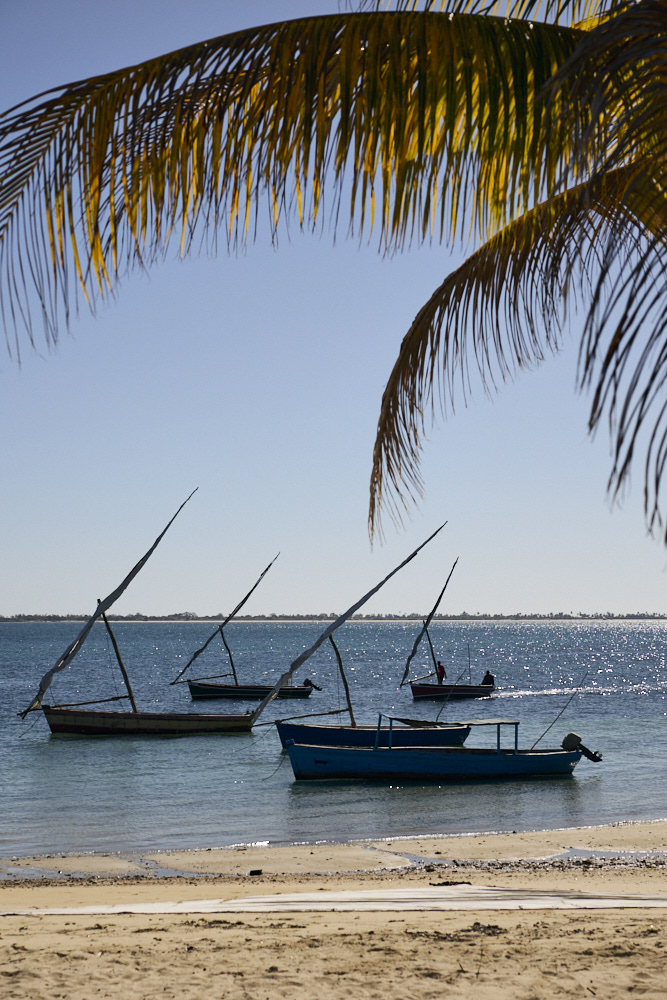
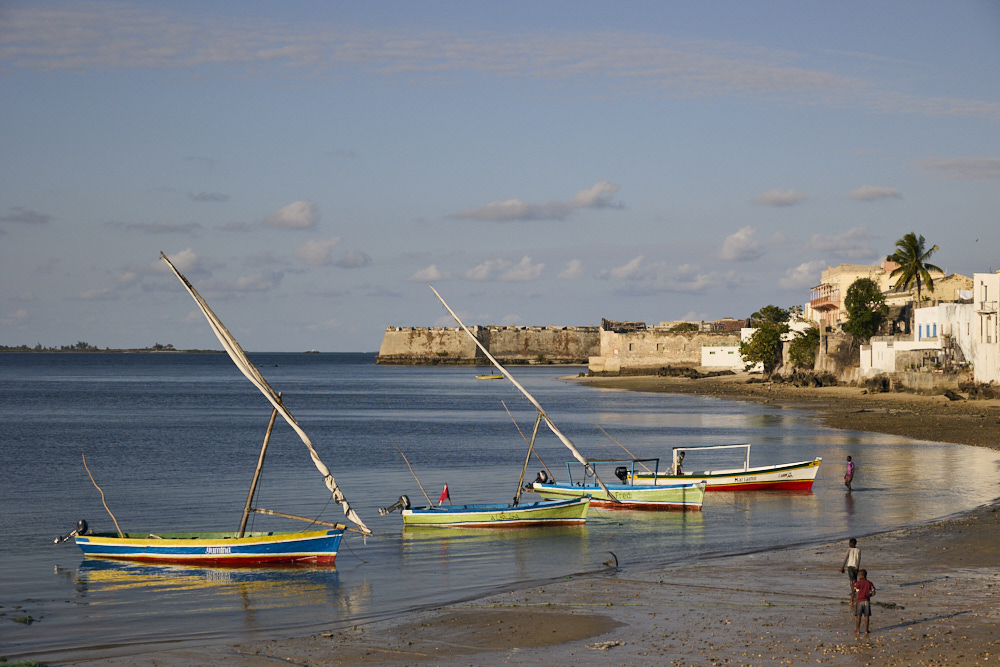
Ilha de Moçambique, or Mozambique Island was once used as a port and trading centre by Arab merchants between the 10th and 15th centuries. Portuguese explorer Vasco da Gama sailed into view in 1498, introduced flamboyant velvet outfits, extravagant headgear, Christianity and claimed the island for Portugal.
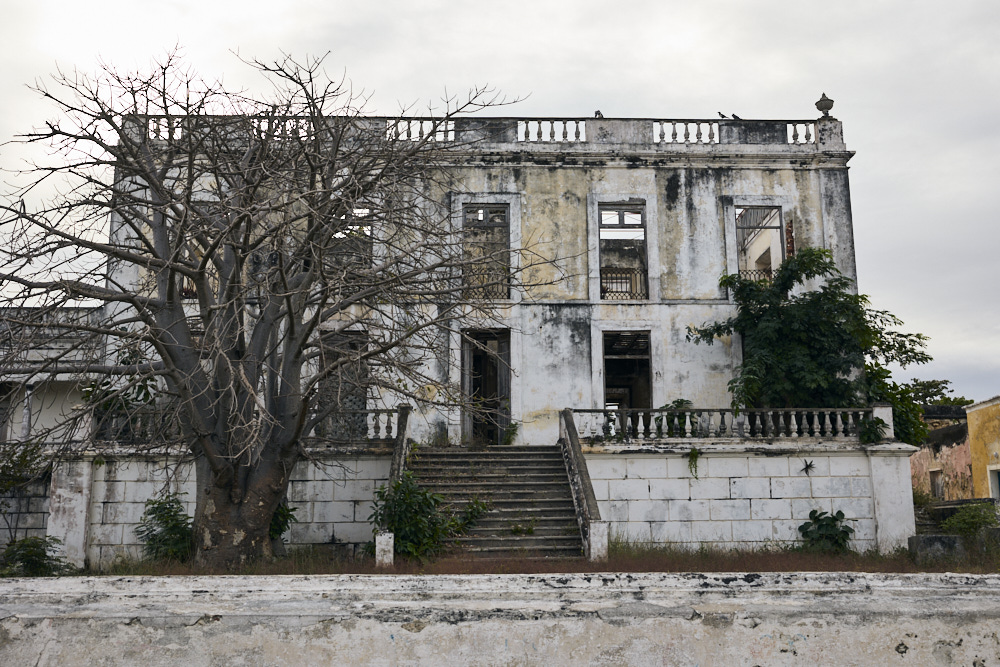
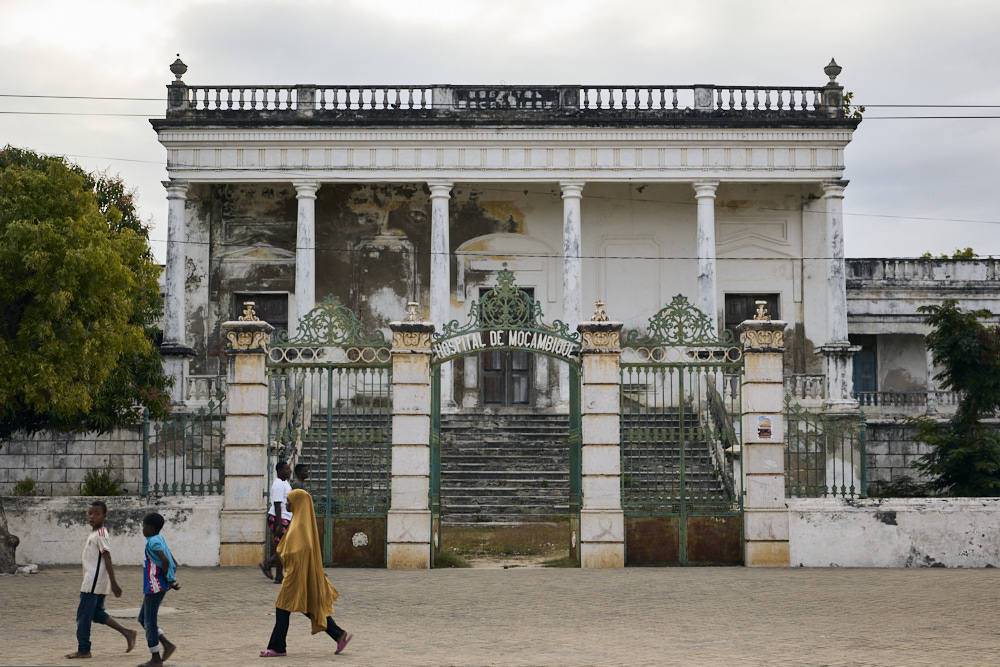
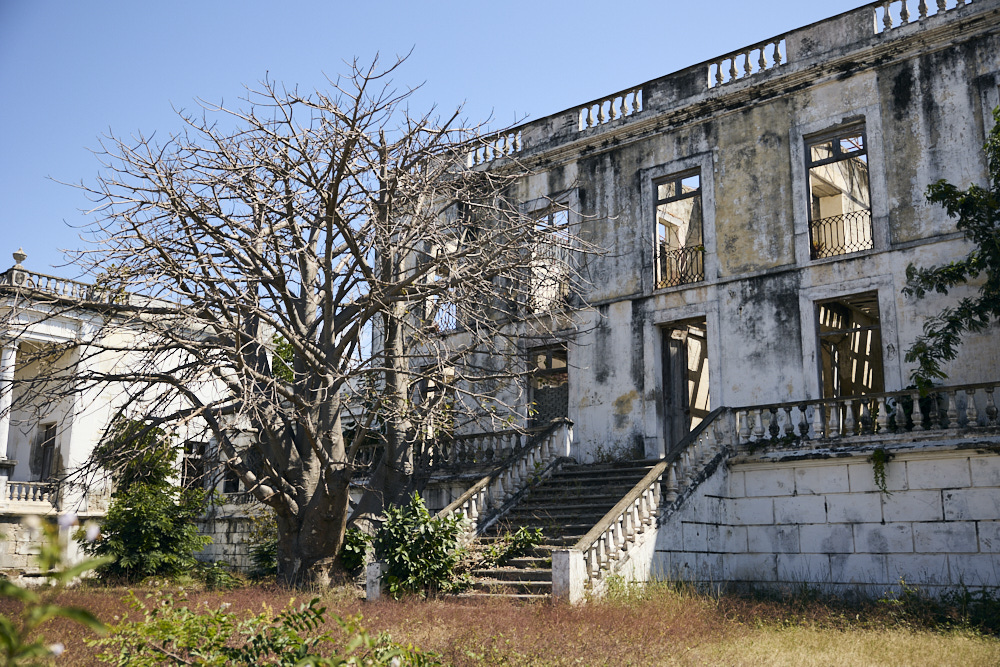
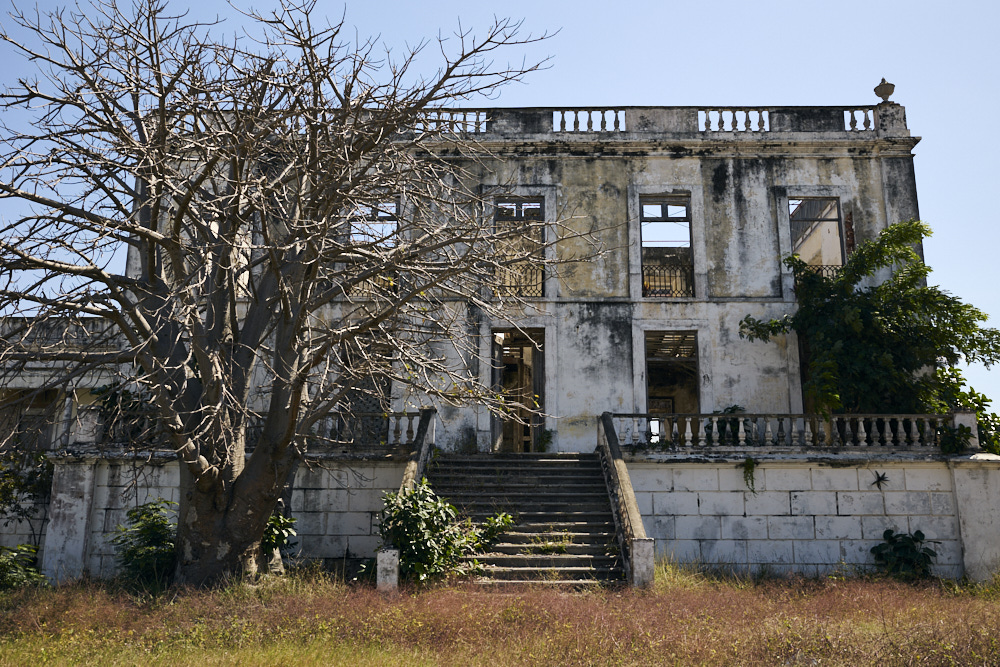
For nearly 400 years, the island was the colonial capital of Portuguese East Africa, positioned on the trade routes for gold, spices and slaves. By 1907, shortly after the collapse of the slave trade, the capital was moved to Lourenço Marques (now Maputo), and the island’s population declined rapidly. This mass exodus protected it from being savaged by modern development and effectively froze the island in time.
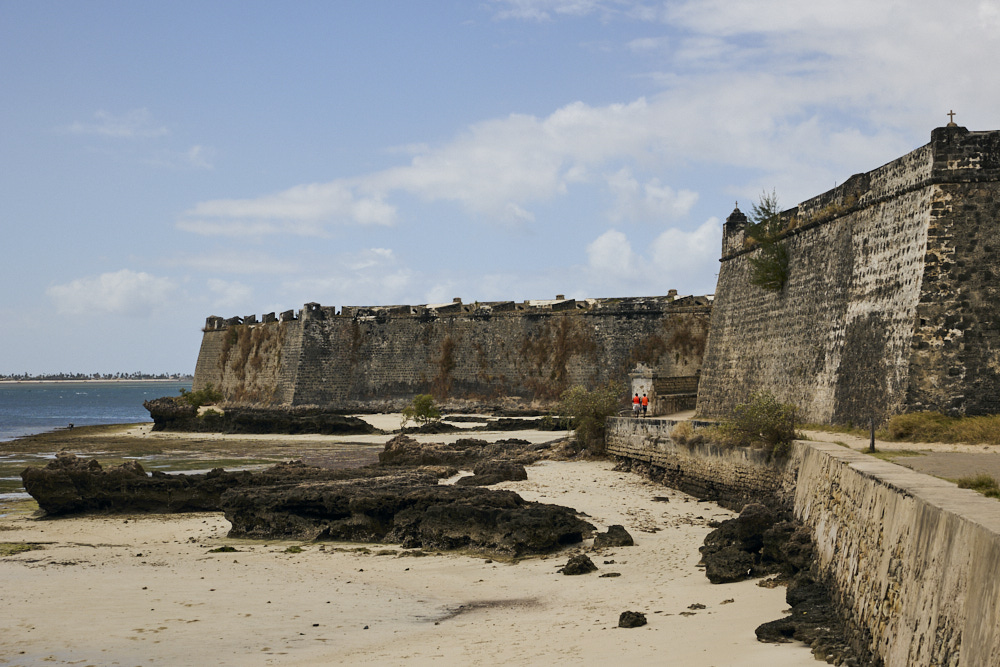
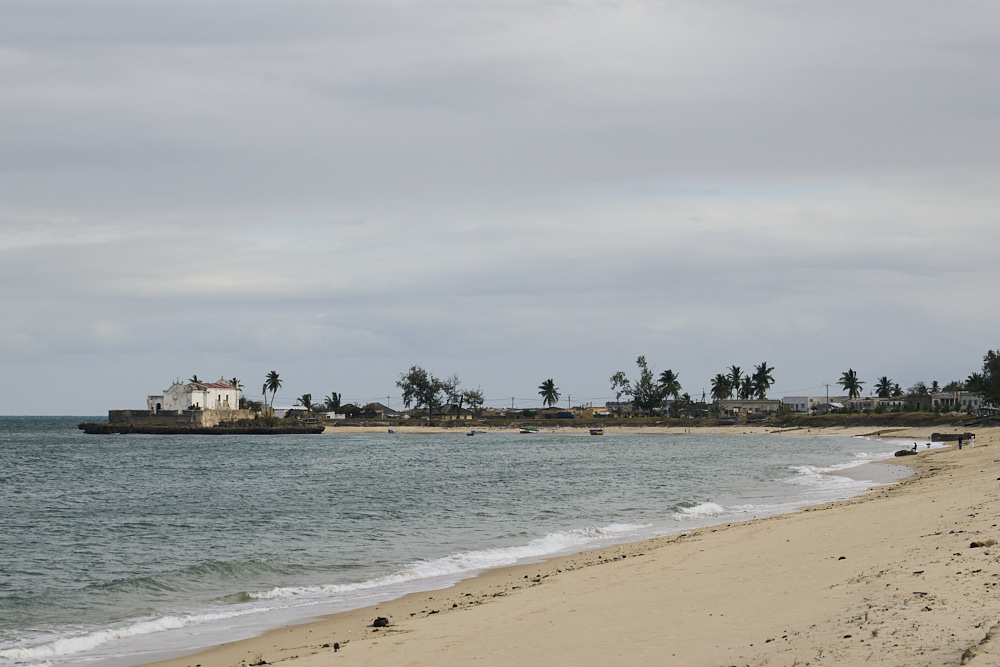
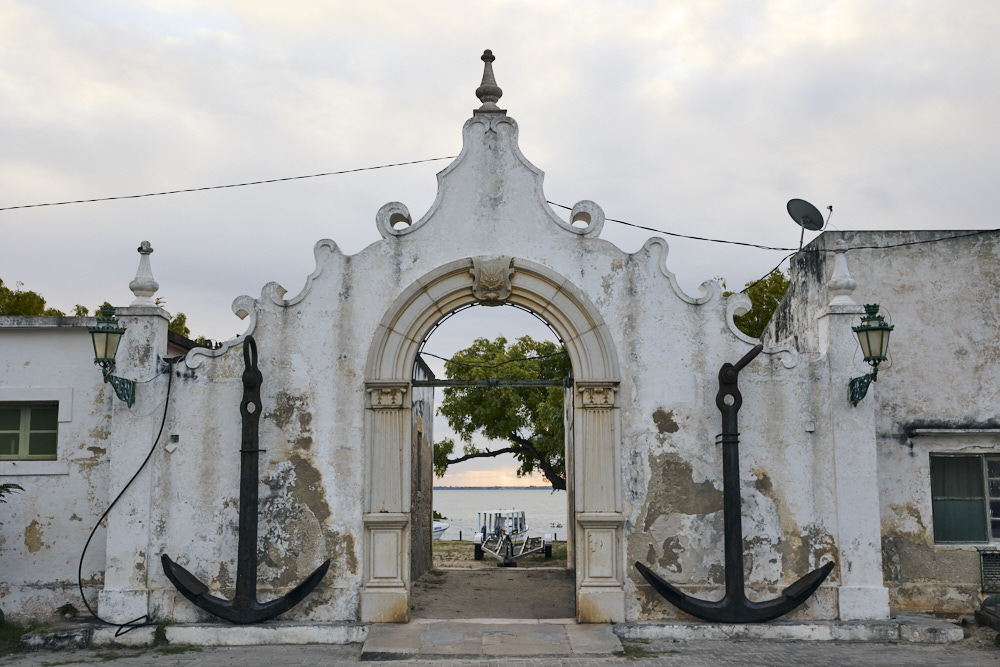
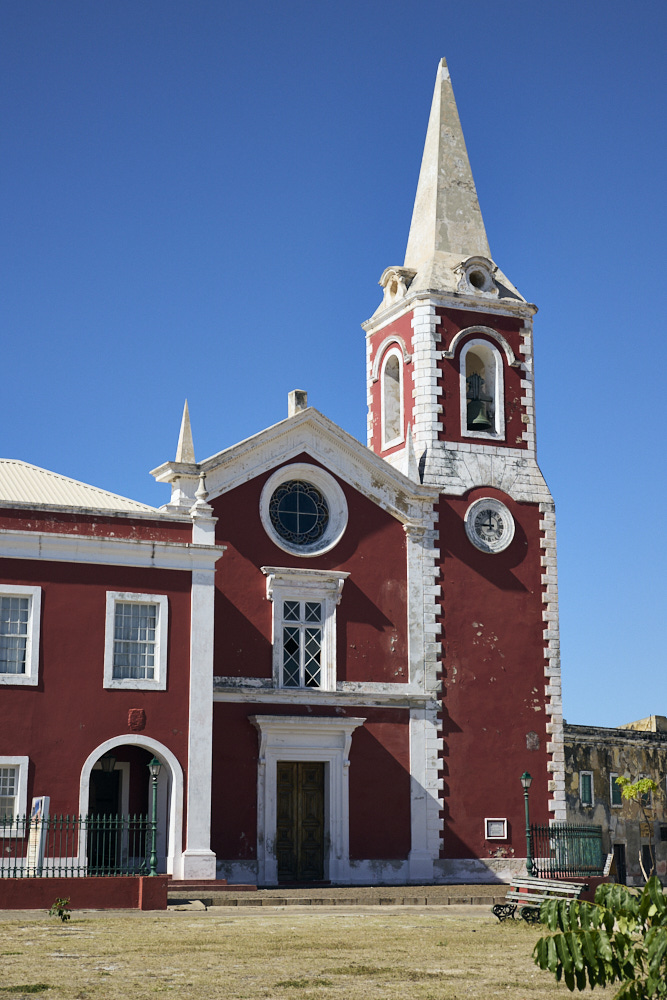
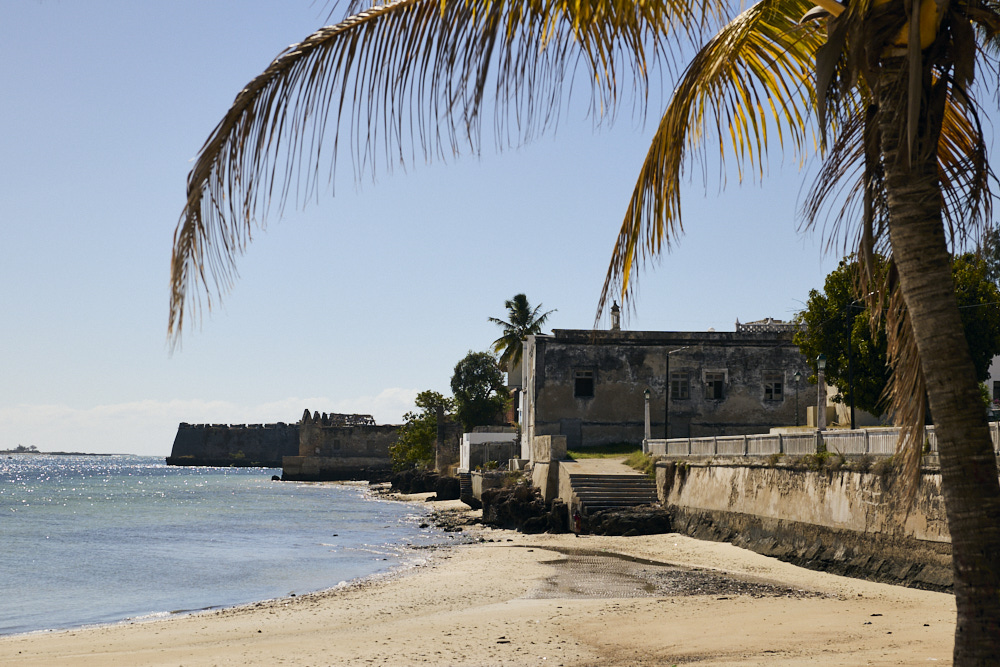
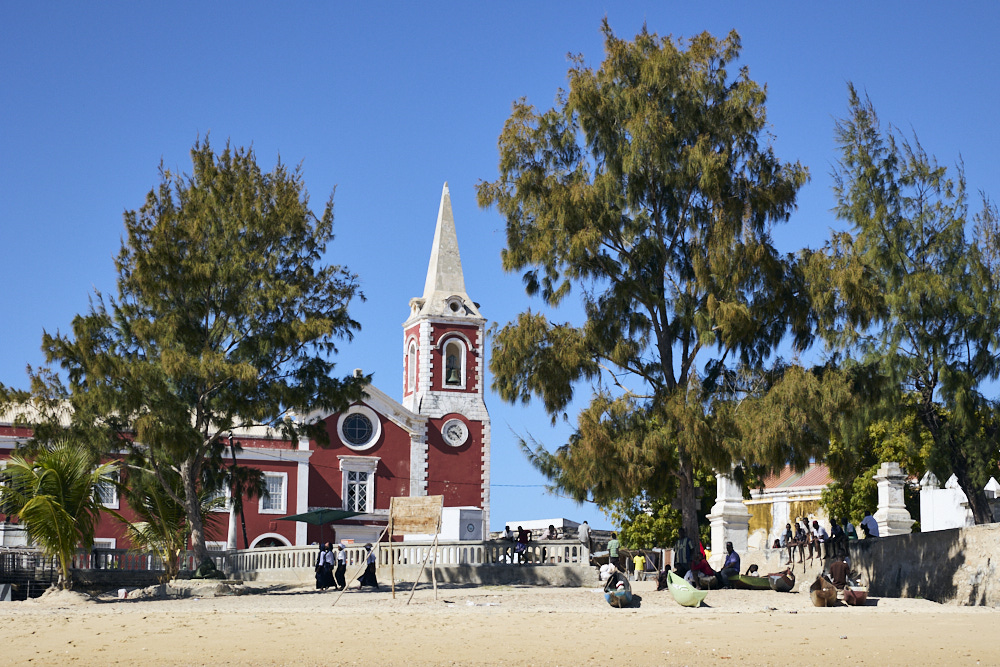
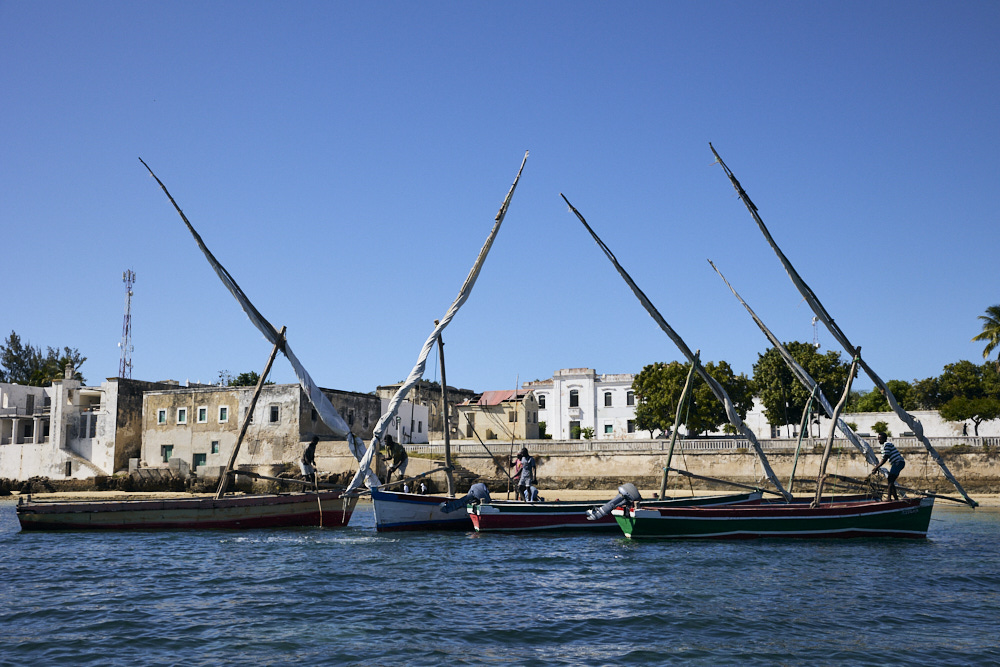
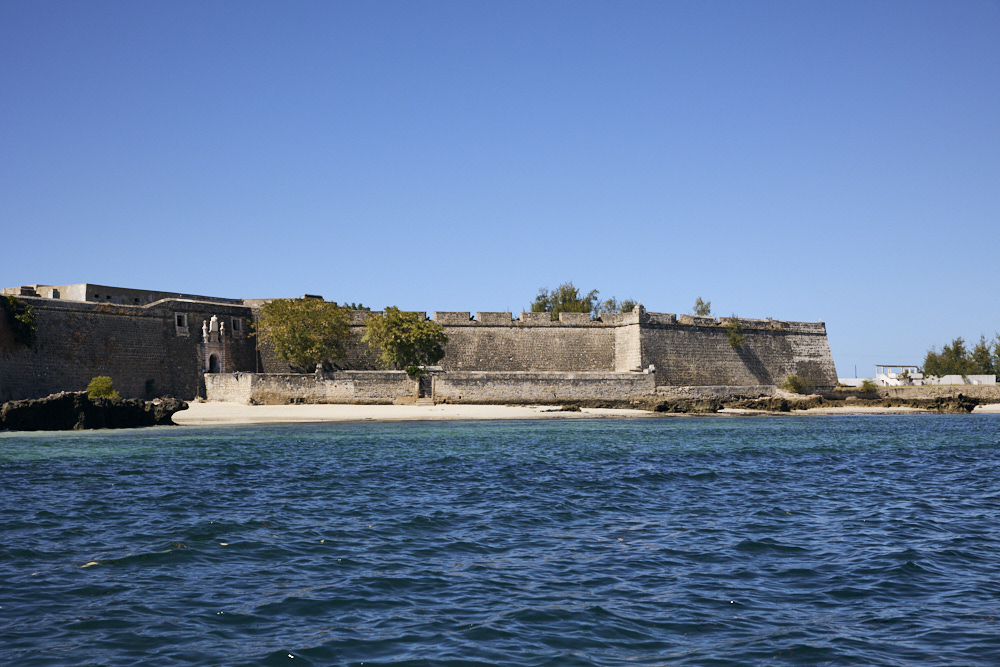
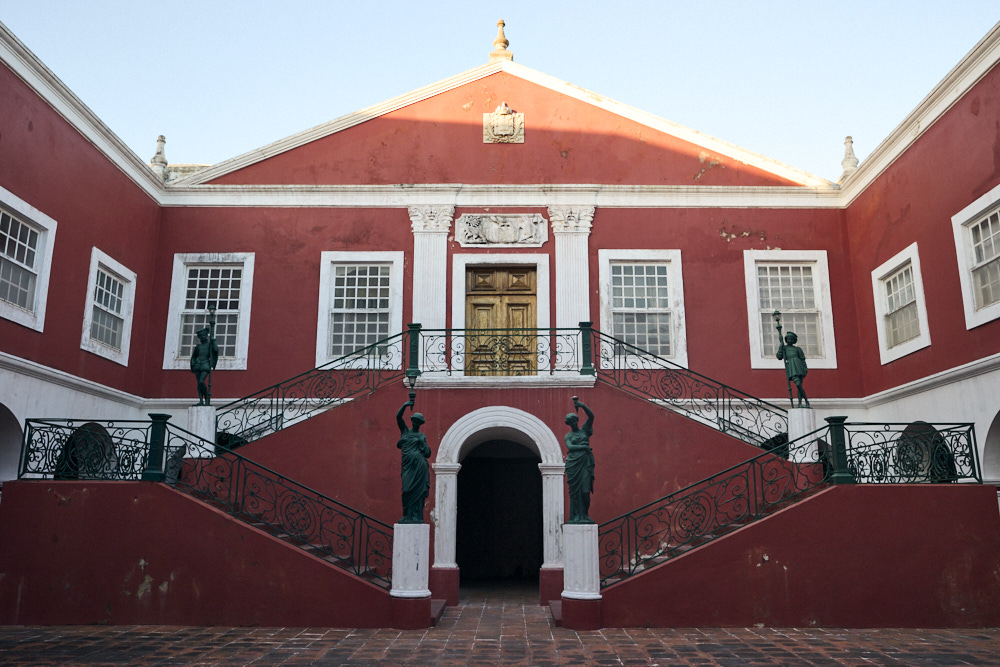
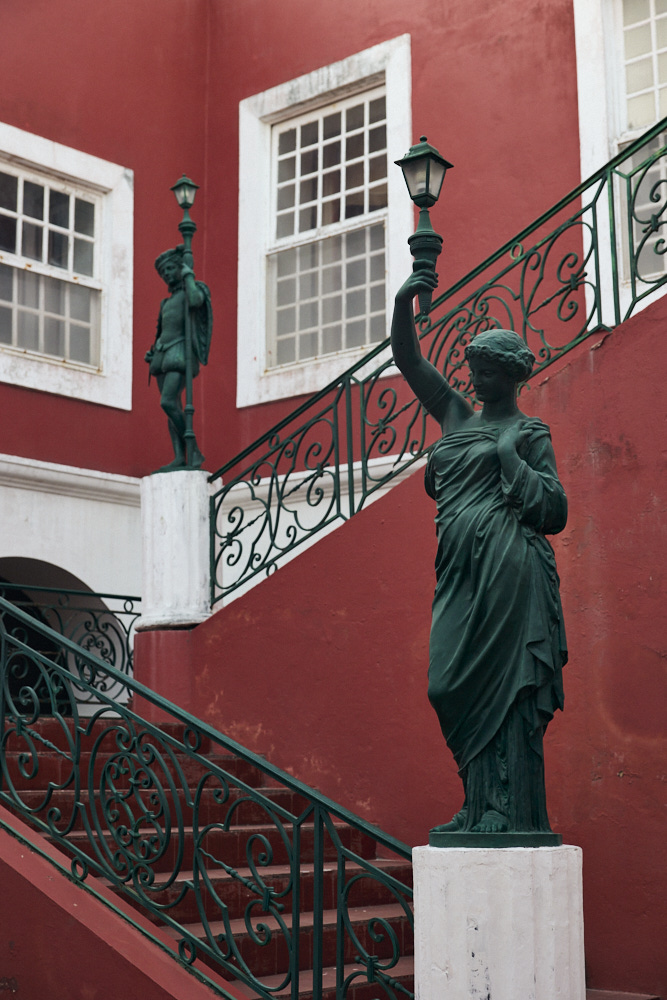
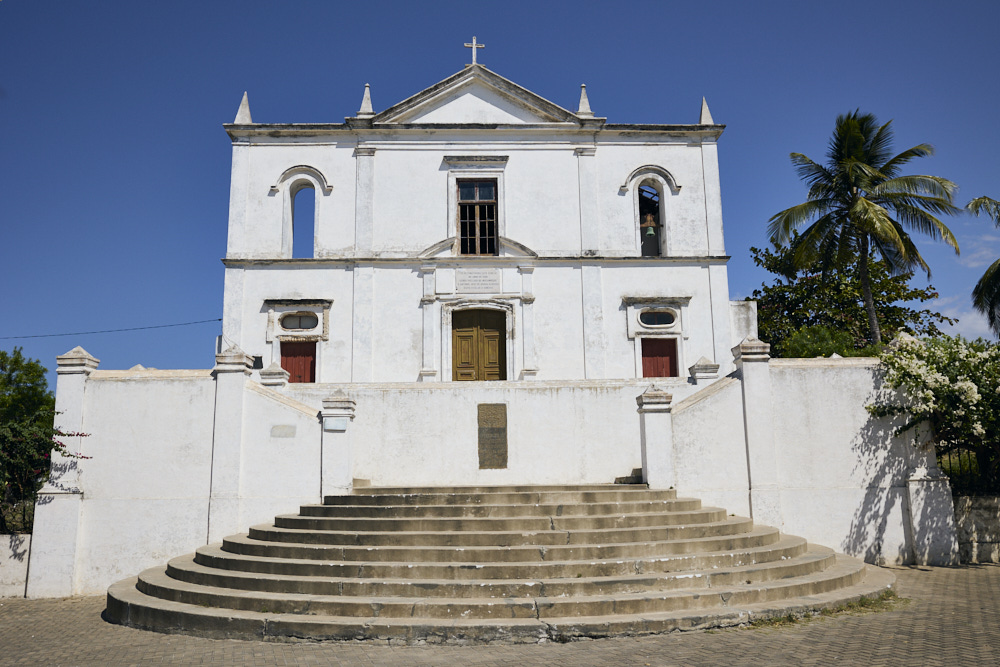
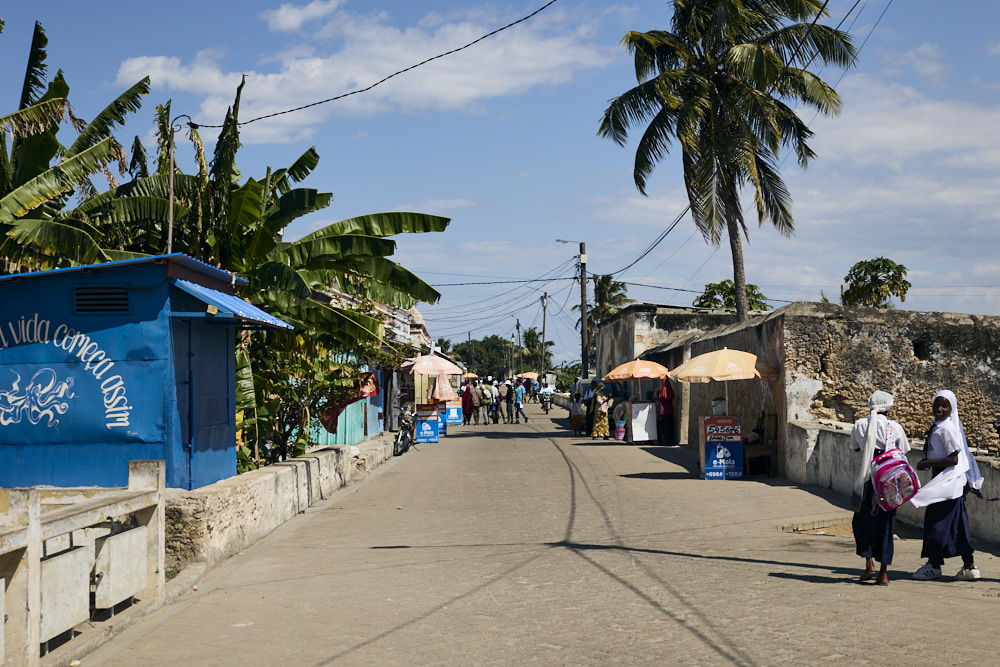
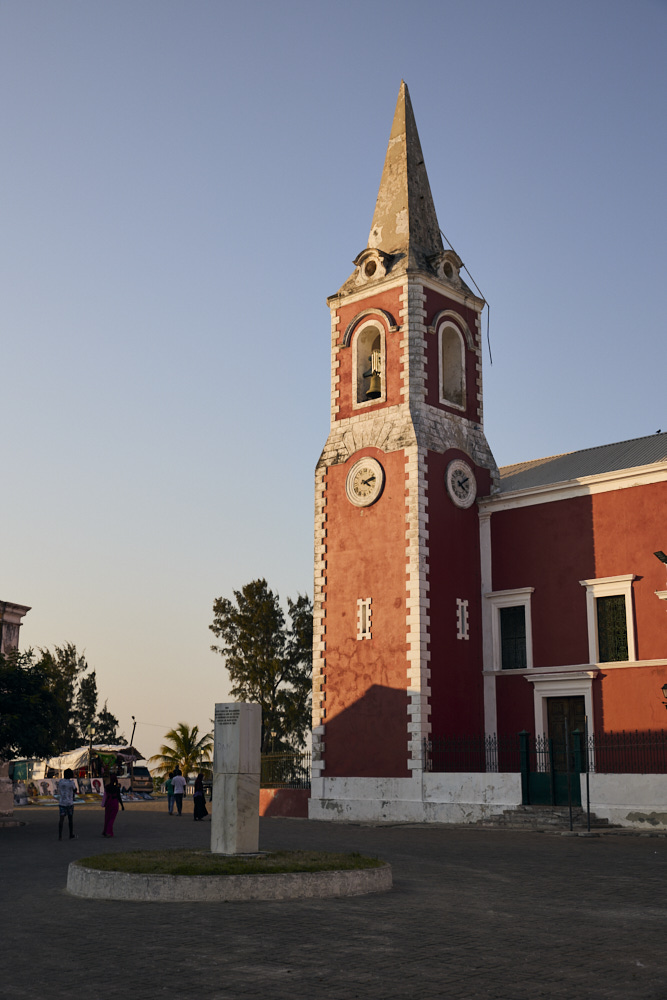
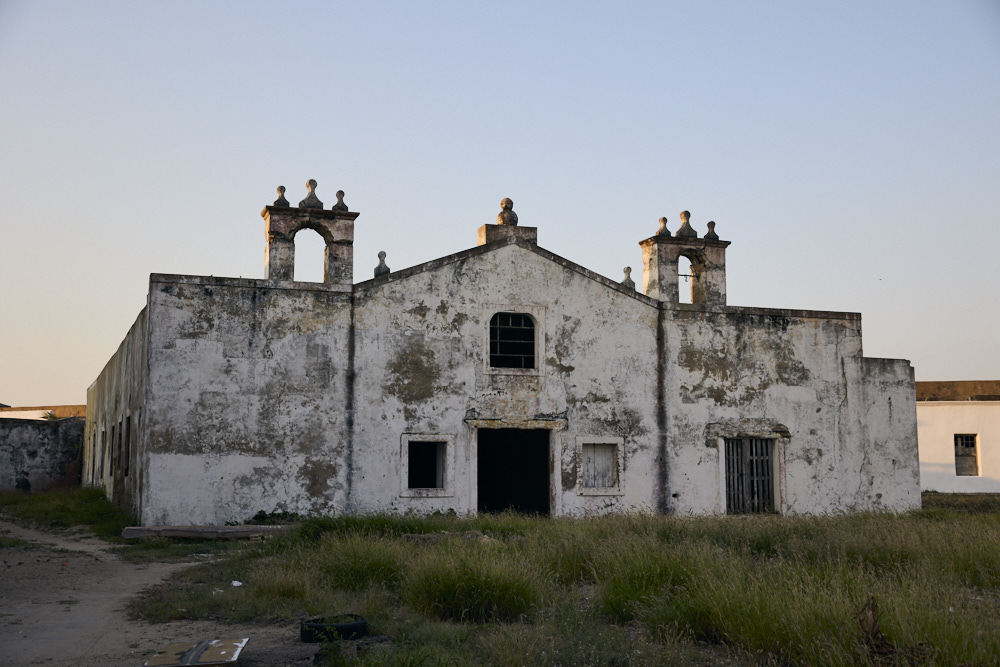
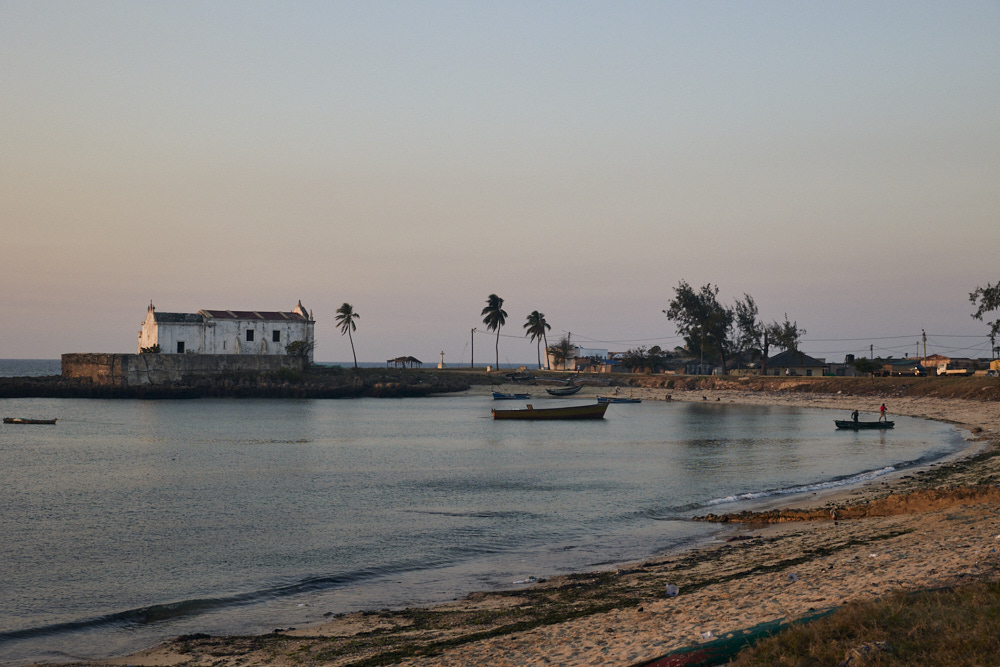
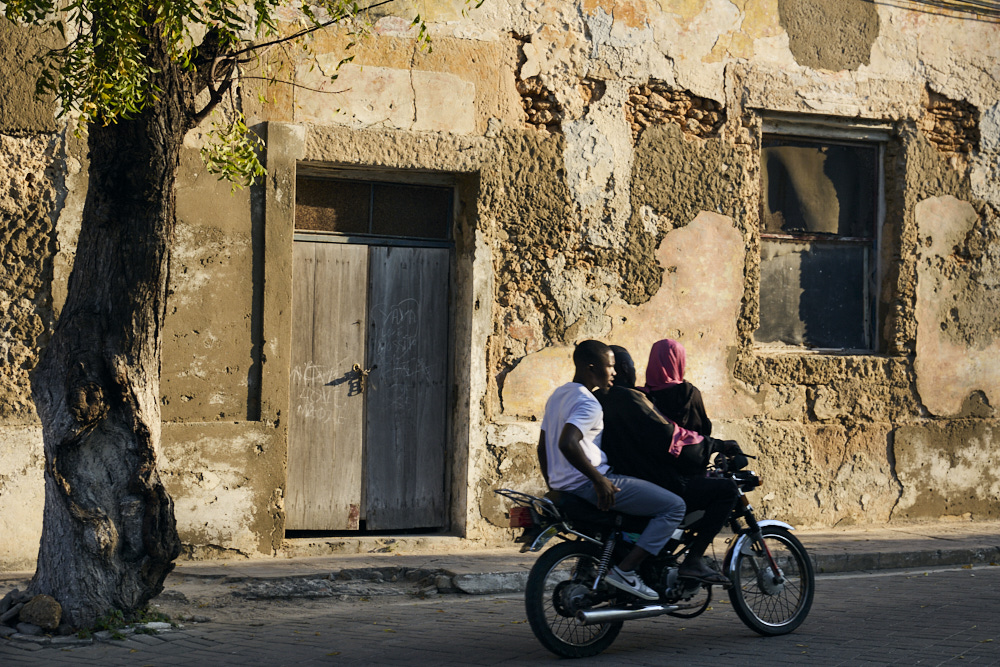
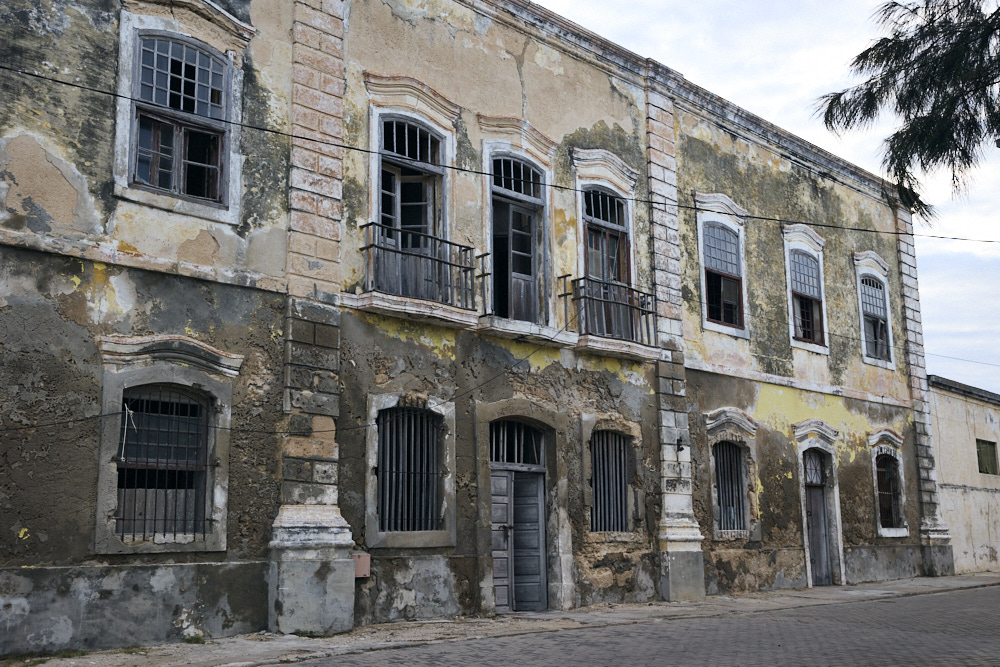
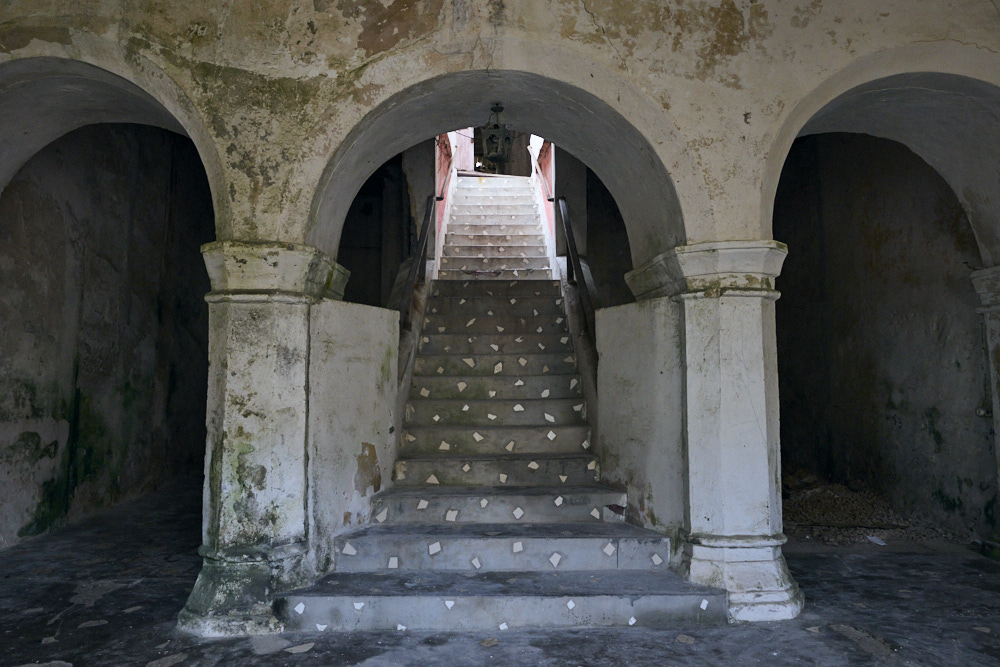
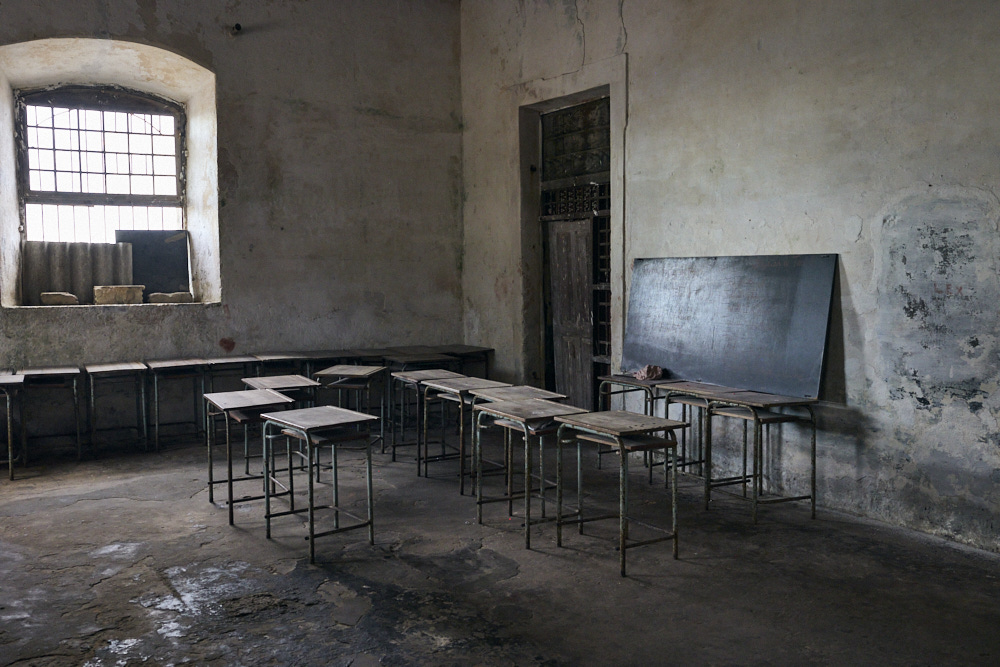
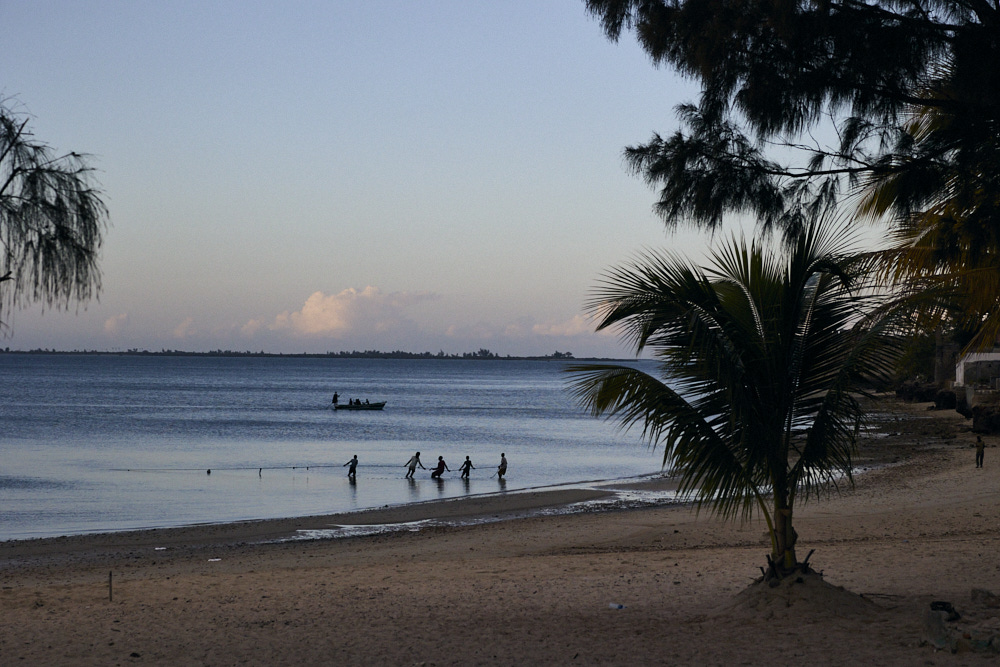
Now a UNESCO World Heritage site, the Island’s unique architecture, influenced by the former Arab, Indian and Portuguese occupiers, has been somewhat preserved. The island can be divided onto two halves: Stone Town, with its original coral based buildings and Macuti Town, which is made of more traditional Mozambican structures. Many of the structures in Stone Town, including the oldest standing fortress in sub-Saharan Africa. This is reached by a bridge that stretches 2km out to the coral island, where it sits at the mouth of Mossuril Bay.
With a number of accommodation options and an international airport two hours away by road, Ilha de Moçambique is a really epic location, especially for smaller production teams or photo shoots.